Rwenzori Packing List – Tried and Tested
Looking for a Rwenzori mountains hiking packing list? Look no further.
Trekking in the Rwenzori mountains can be daunting, and it is very important that you have the correct gear to accommodate for every condition and situation you may find yourself in.
There are three important influences that will impact what you’ll need to pack for your Rwenzori trek.
Weather
It is very important to be aware of the weather conditions during your Rwenzori trek, so you can pack according to the conditions you will encounter.
January-March is the dry season and a good time to trek. It tends to be colder that June-October and you will have a much higher chance of encountering snow.
April-May and November-December are not ideal times for trekking.
June-October is the second dry season of the year and encountering snow and rain will be rare.
The trek to the summit comes with vastly different conditions at each altitude level. In the rainforest level (800m-3000m) you will experience high humidity levels and mist.
The low alpine zone (3900m-4200m) is semi-arid and temperatures can drop to below zero at night.
The high alpine zone is an inhospitable region, during the day it is hot, and radiation is high whereas night time temperatures drop below zero.
The Glacial zone (5000m-5109m) is characterised by high altitude arctic conditions.
The solar radiation during the day is high and at night time the temperatures are below freezing. You can expect to encounter gale force winds and low oxygen levels.
Altitude
Weather in high altitude conditions can be unpredictable and volatile. You tend to feel colder at higher altitude conditions.
Conditions like frostnip and frostbite set in a lot quicker at high altitudes. The impact of the cold will be exacerbated by the low oxygen levels at high altitudes.
Length and Type of Trek
The standard Rwenzori mountains trek to summit any peak is between 5-9 days, so you will need to pack enough gear to last you comfortably for that period of time.
Even though you will be using porters, it is important that your bag is light as they carry them on their heads.
The standard allowed weight of your duffel should not be heavier than 18 Kg.
Rwenzori mountains climbing packing list
Clothing
Due to the diverse climates you will encounter when trekking in the Rwenzori mountains, ranging from tropical rainforest to freezing cold temperatures, it is important that you are able to layer up or down depending on the conditions.
Each layer should support the wicking process and fit snug, but not tight. Make sure to avoid cotton as it prevents the wicking process.
Breathable Underwear
You will need 4-5 pairs of breathable sports underwear (not cotton). Icebreaker underwear is a great option, alternatively you could purchase underwear from any sports brand.
Women should bring at least 2 sports bras, Icebreaker is also a great option for this.
Base Layer
Your base layer is a snug layer that sits just above your breathable underwear. This layer will be important as you approach the summit.
You will only need one pair of a top and bottom base layer. You won’t be using this layer every day, only when going above 3500m when the days and nights are the coldest.
Smartwool Lightweight Base Layers layers are a great option.
Patagonia Capilene lightweight base layers are also an option or Icebreaker base layers if you are allergic to wool.
Trekking Shirts
You will want your trekking shirts to be breathable, lightweight and quick-drying. You will be sweating a lot, so you’ll want a shirt that dries quickly.
We recommend bringing 4 short sleeve shirts and 2 long sleeve shirts. Once again, avoid cotton shirts.
Trekking Trousers
You will need 3-4 pairs of trekking trousers, although 3 pairs should be just fine. If you like wearing shorts you can bring 1 pair of trekking shorts.
It is important that these trousers are durable and water-resistant.
Second Layer (Fleece Jacket)
The second layer, which sits above your base layer is for the colder stretches of the trek. You will need one midweight fleece jacket or parka top.
You should look for synthetic mid-weight Polartec fleece materials. They typically come in 100s, 200s and 300s.
You will be looking for Polartec-200 fleece jackets which are great for warmth and comfort. North Face, Helly Hansen and Patagonia all have great polartec-200 fleece jacket options.
Also look out for a fleece with a hood which can act as a built-in balaclava.
Third Layer (Insulated Jacket)
This core jacket needs to be windproof, waterproof and warm. You have two options with core jackets; down and synthetic.
Down jackets are lighter and generally warmer but can be more expensive, they also don’t perform well in wet conditions.
Insulated Trousers
High altitude treks can get very cold, particularly at night so warm trekking trousers are an absolute necessity. Your trousers need to be water-resistant, sun protective, have a fleece inner material and be made of quick-drying polyester.
Hard Shell Jacket and Rain Gear
It is recommended that you get a hardshell jacket and some rain protective gear to protect you from the elements.
You may also want to bring a poncho for extra protective from the rain.
Technical Hiking Equipment
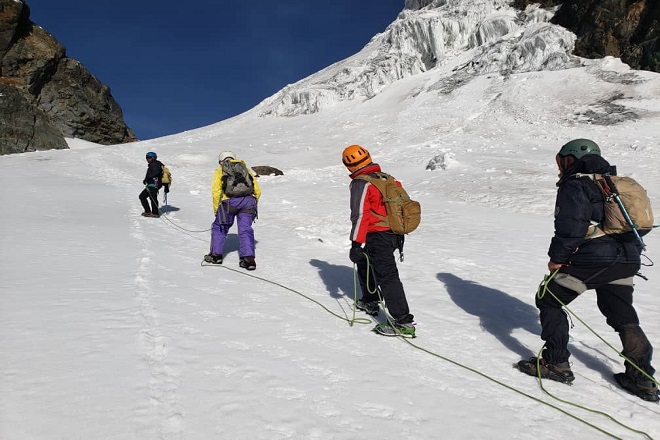
The Rwenzori mountains are a world class mountaineering destination and arguably the Rwenzori mountains are the most technical mountain in East Africa and the African continent at large. Technical trekking gear such as crampons, harness, climbing ropers, carabinas, belays, ice screws, ice axe, etc come in handy.
Head gear
A climbing helmet is important for a technical hike in the Rwenzori mountains if you intend to summit any of the peaks in the Rwenzori mountains ranges.
Hat With Neck Cover
You want to have a good hat to protect your face from sunburn and keep your neck cool as you hike. Make sure the hat is made from breathable material and fits comfortably in your daypack.
Beanie or Head Band
A beanie is absolutely essential for summit night. You want a beanie with a snug fit that is suitable for snowy conditions..
Bandana or Neckband
You want to protect your neck and face from cold temperatures, especially when the wind picks up. You also want to protect your neck from the high UV rays during mid-afternoons at altitude.
Make sure you choose a lightweight, absorbent, breathable and quick-drying option.
Headlamp
You will need a headlamp for night hiking, so you can keep your hands free. You will need it on summit night as you usually start making your way towards the summit at midnight.
You want a very bright headlamp, the brighter the better. You also want a headlamp with a long battery life. Make sure your headlamp is lightweight as well.
Sunglasses
The UV intensity at high altitudes is very high and can be damaging to your eyes. The snow cover reflects and intensifies the light.
Wearing a good pair sunglasses is necessary to protect your eyes.
Inner Gloves
Inner gloves need to provide a good thermal lining and be lightweight. They must also have wicking properties and cannot be made from cotton.
Outer Gloves
It is very important that you have a good pair of outer gloves, especially on summit night. They need to be warm, waterproof and durable. Cold hands can be debilitation and painful, so it is essential that you keep them warm.
Trekking Poles
Trekking puts serious strain on your major leg joints and knees. You will be trekking for around 7 days for 5-8 hours each day on uneven terrain. Trekking poles help alleviate some of the impact on your joints.
You want heavier poles that are fully adjustable with a good grip. Look for poles that are made from lightweight aluminium or carbon fiber.
Footwear
Trekking Boots
Trekking boots are easily the most important item you will need on your trek. Look out for fit and quality.
The fit should be snug but not tight. While wearing thick socks slide your foot into your boot until your toes reach the end of the boot and then slide your index finger down the back. It should slide in with little resistance.
The Quality of your boots is also important. High/medium tops provide more ankle support. The sole should have a high rubber content and deep lugs for good traction. You want boots that are a medium/heavy weight and of course, they should be waterproof. You want your lacing system to involve D-strings and speed hooks for quick and efficient lacing.
Make sure to wear in your trekking boots extensively before you set off on your trek.
Trainers or Trekking Sandals
When you get to your camp the first thing you will want to do is take off your trekking boots. But you will need a pair of shoes to wear as you roam around your camp. A pair of trainers or trekking sandals are a great way for you to comfortably explore the area around your camp.
Merrel, Columbia, Keen and Karrimor have great options for shoes to wear after a long day of trekking.
Trekking Socks
Good trekking socks are an absolute must. You want socks with good wicking properties to avoid moisture and blisters. You should bring 5 pairs of wool socks on your Rwenzori trek.
You want flat seams, thick socks and a snug fit.
Thermal Socks
Thermal socks are needed for summit night. They are often made with Ragg wool material and some people like to get polypropylene liners to assist with the wicking process.
We recommend taking 2 pairs of thermal socks from Smartwool and 1 pair of liners from Bridgedale.
Hiking Gaiters
Gaiters are made from waterproof material and extend up from your boots to your calf. They keep unwanted materials out of your boots and prevent mud and water from entering your shoes.
Rucksacks and Duffel Bags
You will need 2 types of bags for your Rwenzori trek; a duffel bag and a daypack.
Duffel
The duffel bag is what will hold all your gear including your sleeping bag. This bag will be carried by porters.
They carry the bags on the head, so it is very important that your duffel is not too heavy. In general, you want to limit the weight of your duffel to 15kg when fully loaded.
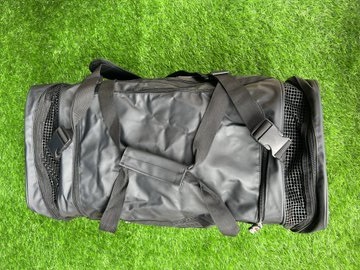
Characteristics of your duffer bag:
Greater than 80l capacity.
Waterproof laminate material.
Pack gear into separate plastic bags or packing units to provide extra protection.
Strong zipper system.
A hand and shoulder strap to provide extra versatility.
Daypack
In addition to your duffel, you will also carry your own day pack. This bag is to keep all your important, personal or breakable items. You want this bag to be as lightweight and small as possible.
You want your bag to have compression straps to reduce strain on your back and side mesh pockets for easy access to your water bottle and other useful stuff.
Important Bag Accessories
Rain cover: depending on the time of year you choose to trek, you may encounter rain. If you choose the Osprey Talon 22 backpack you can choose to get the Osprey Daypack Raincover to protect your daypack.
Hydration bladder: The Platypus Hydration Bladder is the best on the market. The 3l version is perfect for the Rwenzori trek.
Travel bag organisers: You’ll want to separate your gear for more efficient packing and access. It’s a great way to separate clean and dirty clothes. Eagle Creek Packing System and Ecosus are great brands. If you want to save money you can just use clear plastic bags.
Dry bags: Buy 1 or 2 dry bags to protect your daypack and duffel in case of rain. The y can fit comfortably into your duffel. They can also double as a separator if need be. Use Duc-Kit pro bags.
Sleeping Gear
A warm sleeping bag is an absolute necessity. No matter what the season. You can rent a sleeping bag in Kasese town or from your Rwenzori mountains trekking tour operator. But we recommend that you purchase your own. You need a minus 10 (-10 degrees Celsius) and below rated sleeping bag but a minus 5 should work just fine for you incase you can’t find a -10. With warm clothing for the night, you will be very warm with a lower rating sleeping bag and have no issues.
Sleeping bags are either down or synthetic. Down sleeping bags are better quality, lighter and more comfortable, but they are also more expensive. You want to consider the weight and cost of your sleeping bag.
Down is recommended if you’re trekking often and want a long-term investment. Rather have one that’s too warm.
You want a mummy-shaped sleeping bag. This style best fits the contour of your body and provides better insulation. Look out for an insulated hood and a 2-way zipping system.
The best down sleeping bag is the Mountain Hardwear Phantom. The best synthetic sleeping bag is the Mountain Lamina and the best value sleeping bag is the Marmot Trestles 15.
Other optional sleeping accessories are an inflatable pillow and thermal mat.
Other Rwenzori Accessories
Water bottle or hydration bladder – You will need to stay hydrated to help with altitude sickness, you will need to drink between 2-3l of water per day. We recommend 2x1l water bottles or a 2-3l hydration bladder. The Camelback Eddy water bottle is ideal.
Water purification tablets – Water is collected from mountain streams and it is important to purify the water to avoid getting sick. 1×50 pack should be sufficient.
Baby wipes – To avoid smelling.
Sweat resistant sun cream – Need a high SPF. P20 is a good brand.
Camera (GoPro) – You will definitely want to capture your experience in HD so if you don’t have a good camera now is the time to get one. Here are some recommended and affordable Digital SLR cameras. Remember, you want to make sure your camera is light but still able to capture high quality images. We like the Panasonic Lumex. If you are more inclined to take a video camera then you might want to consider the GoPro.
Spare batteries – For headlamp and camera.
Earplugs – If you are a light sleeper.
Zip lock bags – To protect your valuables.
Small lock – To secure your duffel bag.
Energy bars – These are the easiest, most efficient way to snack. We recommend 2-3 bars per day. High energy oat bars are good. Avoid milk-based bars as they are likely to freeze.
Energy drink supplement – Water doesn’t taste great after the iodine tablets have been added. Mask the taste and provide extra energy with an isotonic or hypotonic solution.
Pee bottle (For women) – Freshette.
Medications – Bring paracetamol, valoid and Imodium. Your guide will be carrying a first aid kit so you don’t have to go too crazy on the medications.
Blister plasters – Treat blisters early to prevent a greater issue in the future. Leukotape P or Compeed are good plasters.
Insect repellent – Repel is a good brand. Also, don’t forget that Tanzania is a malaria area and you will want to take malaria tablets before and after your trek.
Trekking towel (optional) – A trekking towel is great to dry your face, hair and hands after rainy days.
Toilets and toilet paper – The toilets on Rwenzori are notoriously bad. You can request for your tour guide operator to organise a portable toilet. One roll of toilet paper should be efficient.
Book/kindle – For entertainment once you reach the camp.
Looks like you’re now ready for your Rwenzori mountains trekking trip to Uganda; book your Rwenzori mountains hiking trip with us or reach out to us for our specialty Rwenzori mountains trekking experience here.